Aa
Read Write Inc Phonics
Children learn the pure sounds first, then blend them to read, moving through the Speed Sounds at their own pace. Decoding, not guessing.
Preschool · Ages 18 months to 6 years
ECDA-licensed kindergarten with Read Write Inc phonics, Singapore Maths and learning shaped around each child.
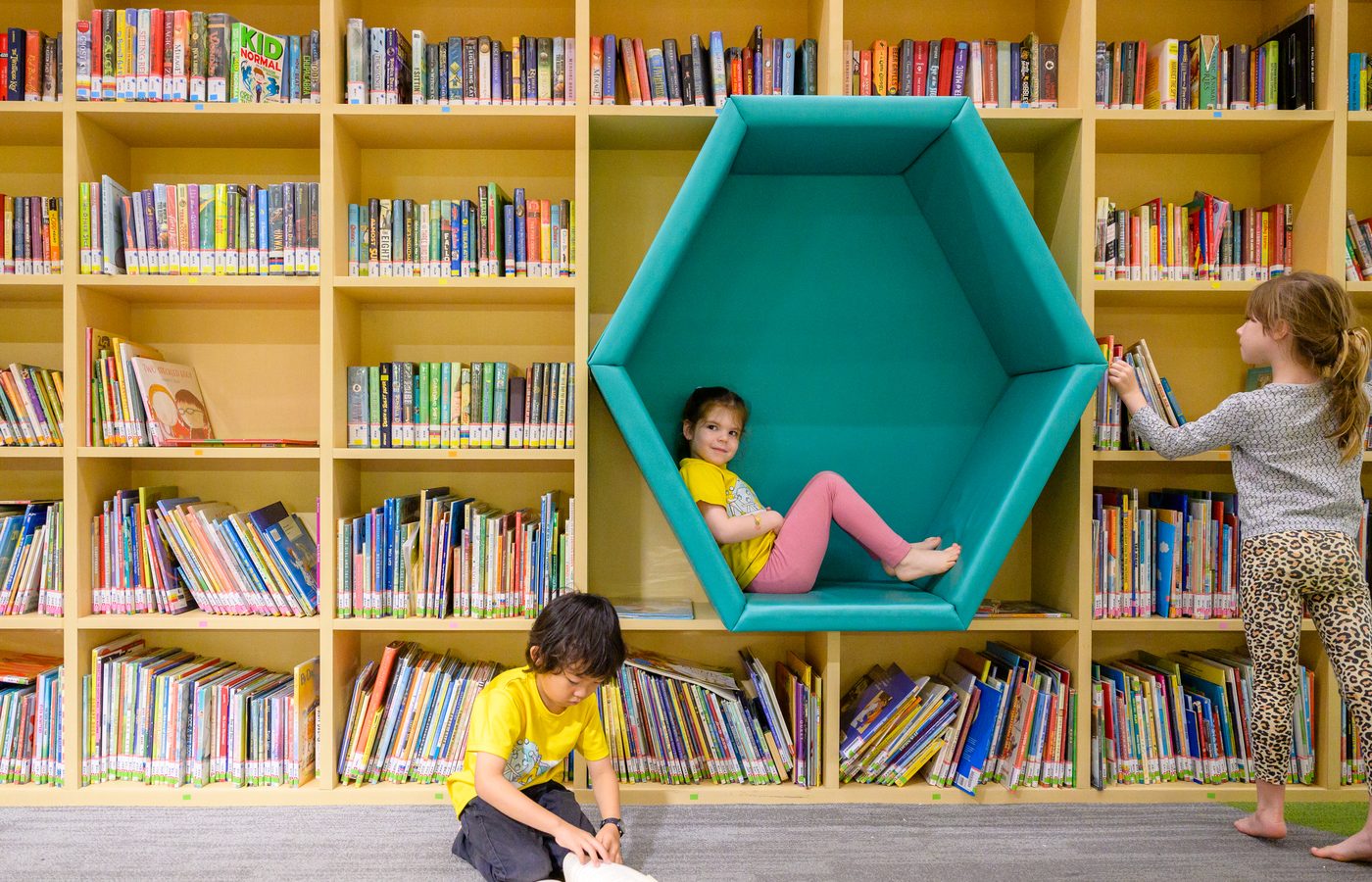
Structured phonics
Early reading taught sound by sound, in sequence.
Strong number sense
Concrete, then pictorial, then abstract.
Shaped around your child
Rewritten by their teacher every six weeks.
Mandarin every day
Mandarin-speaking teachers, in play and activity.
School readiness should not mean trading curiosity for worksheets. Phonics and maths are taught in sequence every morning. Inquiry, clay, recycling and robotics sit in the same day. Children leave able to decode a book, and still willing to ask what happens next.
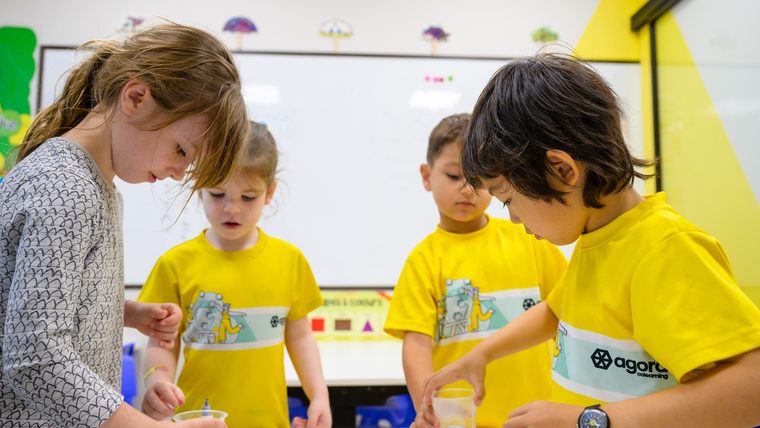
Six strands, taught by educators who know your child. Phonics and maths run in sequence every morning. Inquiry and Mandarin run through the day.
Children learn the pure sounds first, then blend them to read, moving through the Speed Sounds at their own pace. Decoding, not guessing.
Concrete, then pictorial, then abstract. Children hold the quantity before they write the symbol, so the understanding holds when the work gets harder.
Mandarin runs through the day. Our Mandarin-speaking teachers use it with the children in play and in activity. That is daily exposure and use, rather than full bilingual immersion.
Reggio-informed atelier work: clay, loose parts, recycling and robotics. Children question, investigate and revisit ideas in depth, guided by their teachers.
Speaking, listening and putting ideas into their own words. Children talk through what they tried with a partner before anyone marks anything.
Comprehension, number sense, focus, self-management and social competence: the markers that decide how the first year of primary school really goes.
Every child has an Individual Learning Plan across six developmental domains. It is built from what a teacher watched your child actually do, in their own words, and their teacher rewrites it every six weeks.
Observe
Teachers write down what your child actually did, in their own words.
Plan
After four to six weeks of watching, a plan is written around what your child needs next.
Teach
Their teacher adapts what they teach to those goals, across all six domains.
Review
Every six weeks the plan is reread, and you get an update against it.
Adjust
Goals move with what your child is ready for, not with their birthday.
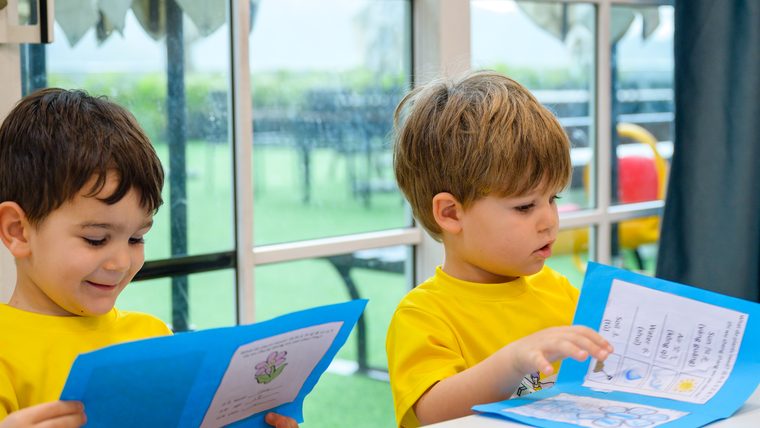
Read Write Inc is a structured synthetic phonics programme. It is oral-first and multisensory, and it is the opposite of rote learning. This is how a child gets from a sound to a book.
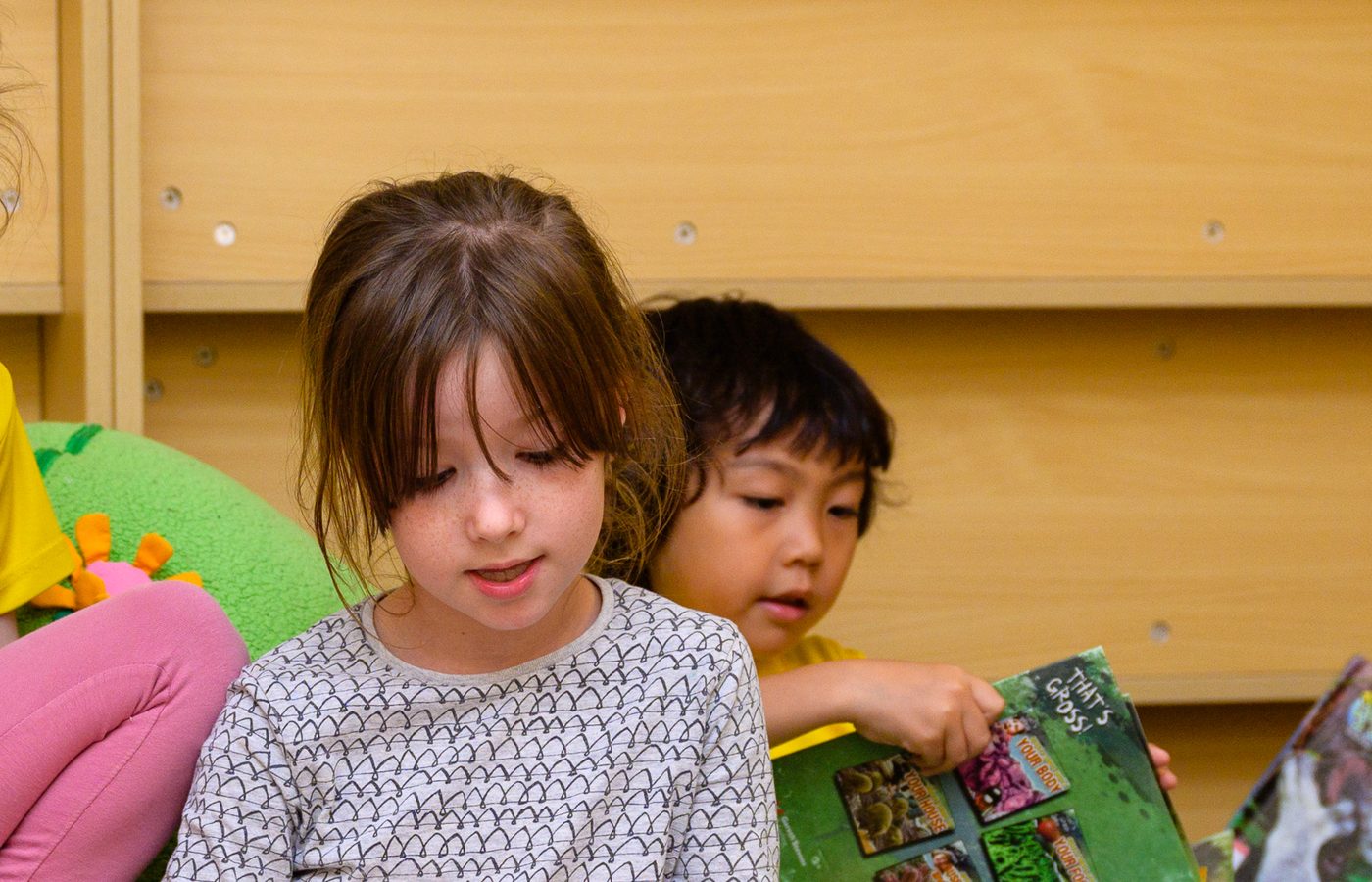
Children learn the sounds the letters make, not the letter names. Said out loud, before anything is written down.
They push those sounds together to read a whole word, so reading is decoded rather than guessed from the picture.
Children move through the Speed Sounds when they are ready for the next one, not when the calendar says so.
They read real books early because they can, not because they have memorised them.
The day has a deliberate shape, and what happens inside each block follows the children. Each block runs until the work is done, rather than until a bell goes.
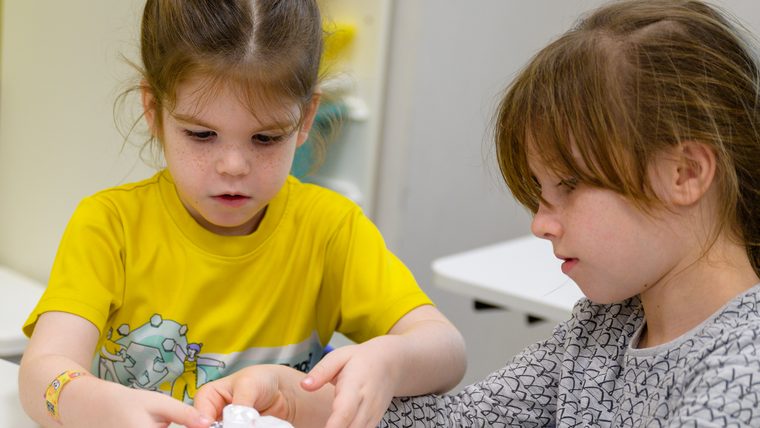
Core learning
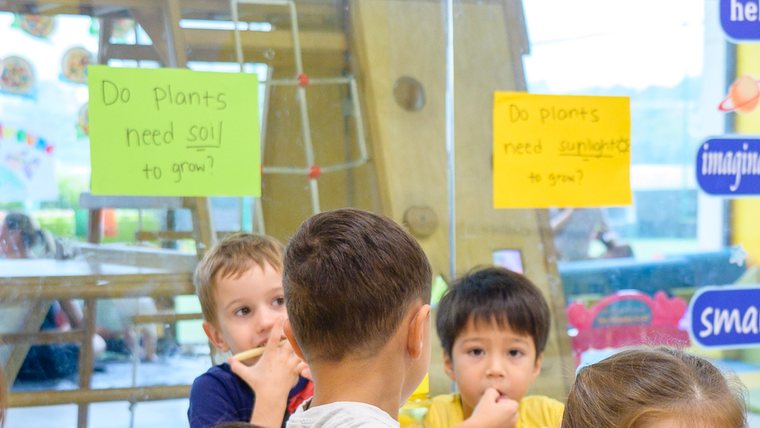
Inquiry and Mandarin
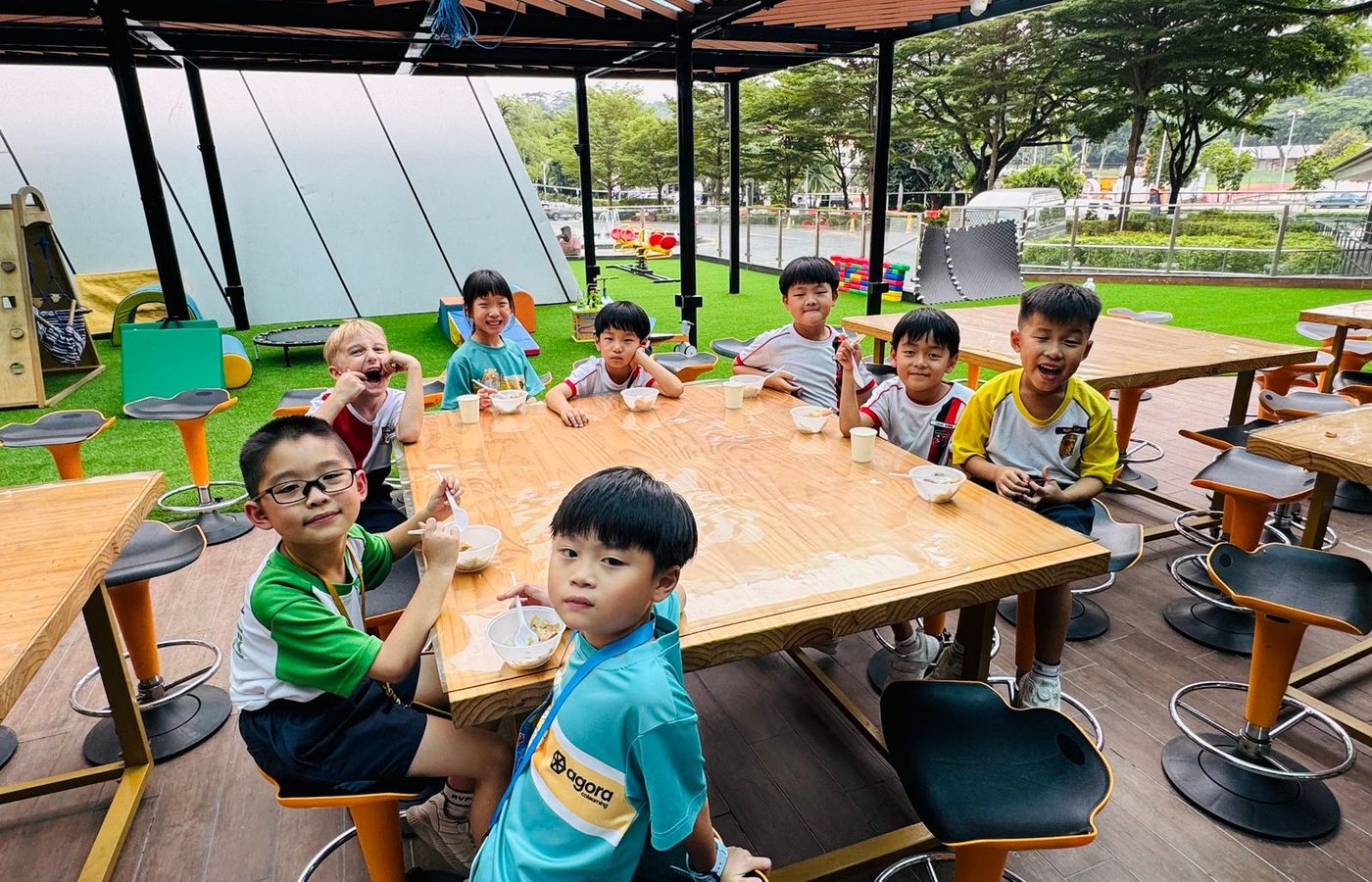
Projects and extensions
Real mornings at Fragrance Empire Building, on one floor beside ARC: classrooms, three makerspace workshops, two multi-function studios, a library with a netted mezzanine, and a terrace of nearly 7,000 square feet looking out over Sentosa.
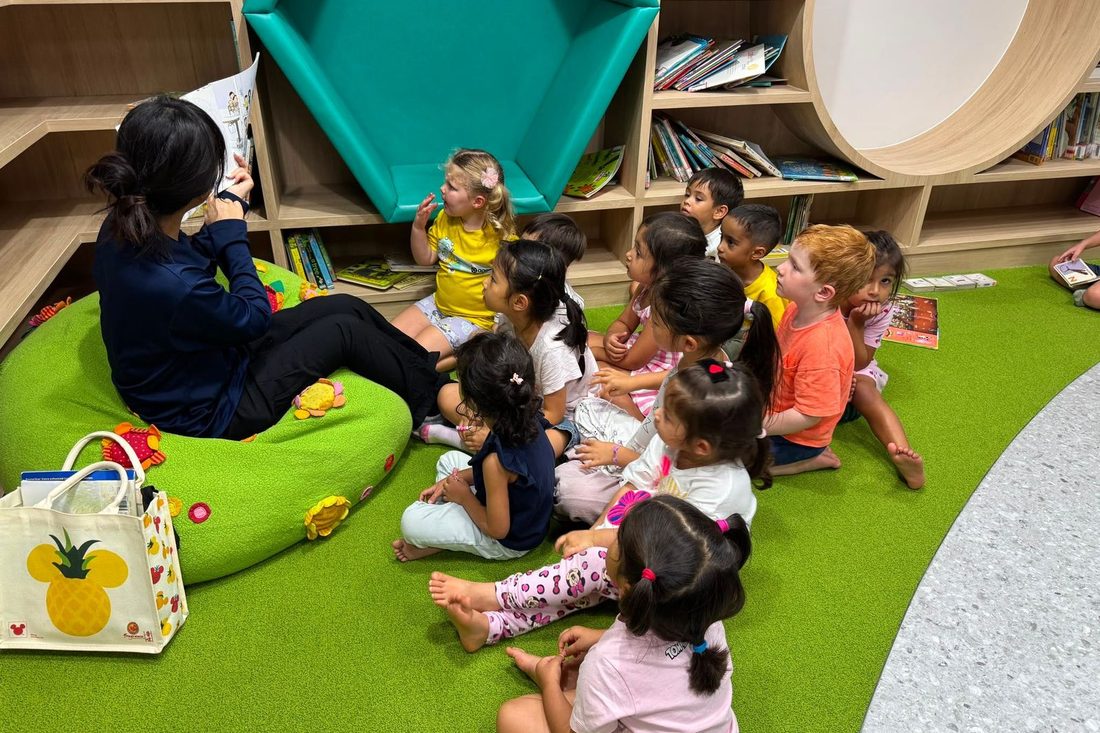 Story time · the library
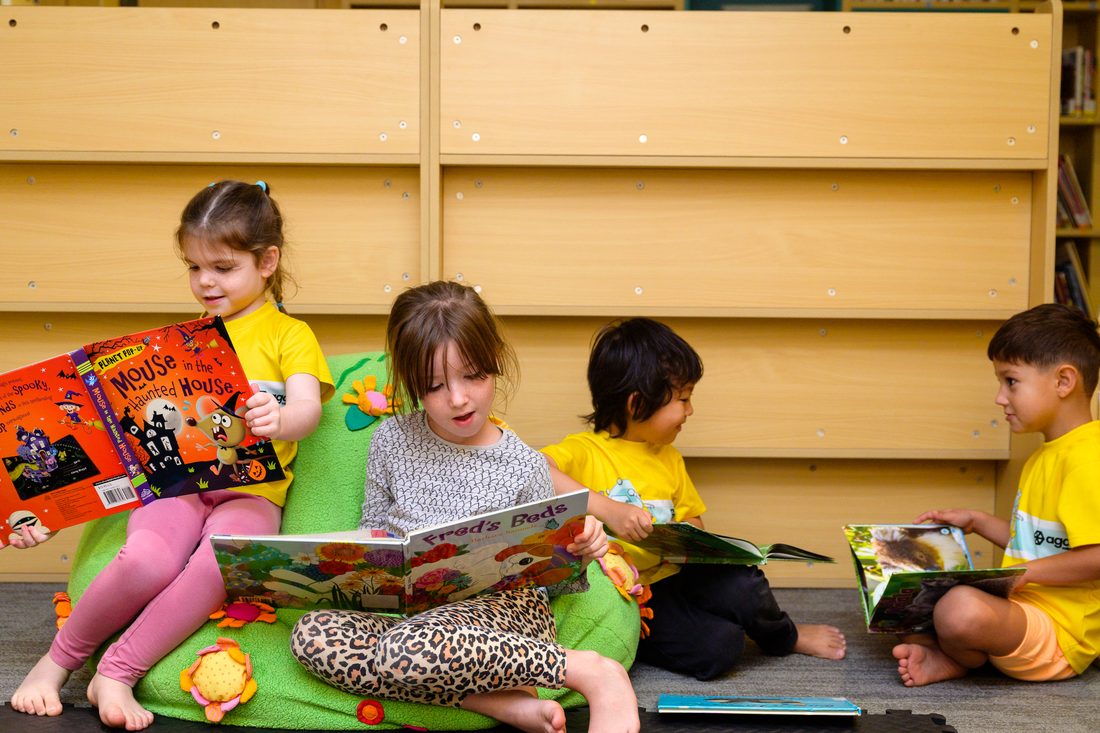 Books they choose
★★★★★ 4.9 from 139 Google reviews. Their words, not ours.
Claire and her team gave my son as much time as he needed to feel safe and confident. They met him where he was emotionally, and that made all the difference.
Robert T. · Preschool parent
They have taken the time to truly understand his emotional and learning needs, tailoring their approach to ensure he feels safe, valued and capable.
R. H. · parent of a neurodivergent child
She went above and beyond by inviting me to spend a full normal school day with my daughter, allowing us to get a real feel for the teaching style, environment and teacher-child interactions.
gunjan c. · Preschool parent
The learning plan reviews are the thing. I always leave knowing exactly what she's working on, and why.
K2 parent · Telok Blangah
Read Write Inc phonics and Singapore Maths, taught in sequence every morning.
An Individual Learning Plan per child, rewritten by their teacher every six weeks.
Clay, recycling and robotics sit in the same day as phonics, not instead of it.
Mandarin-speaking teachers use it with the children in play and in activity.
Comprehension, number sense, focus and the confidence to walk into Primary 1.
A 1:6 educator-to-child ratio, and educators who know the children they teach.
Parents choose people, not only a curriculum. Our Head of Early Years is Claire Michael, an ECDA-certified Inclusion Officer, and she is the person you would speak to before your child starts.
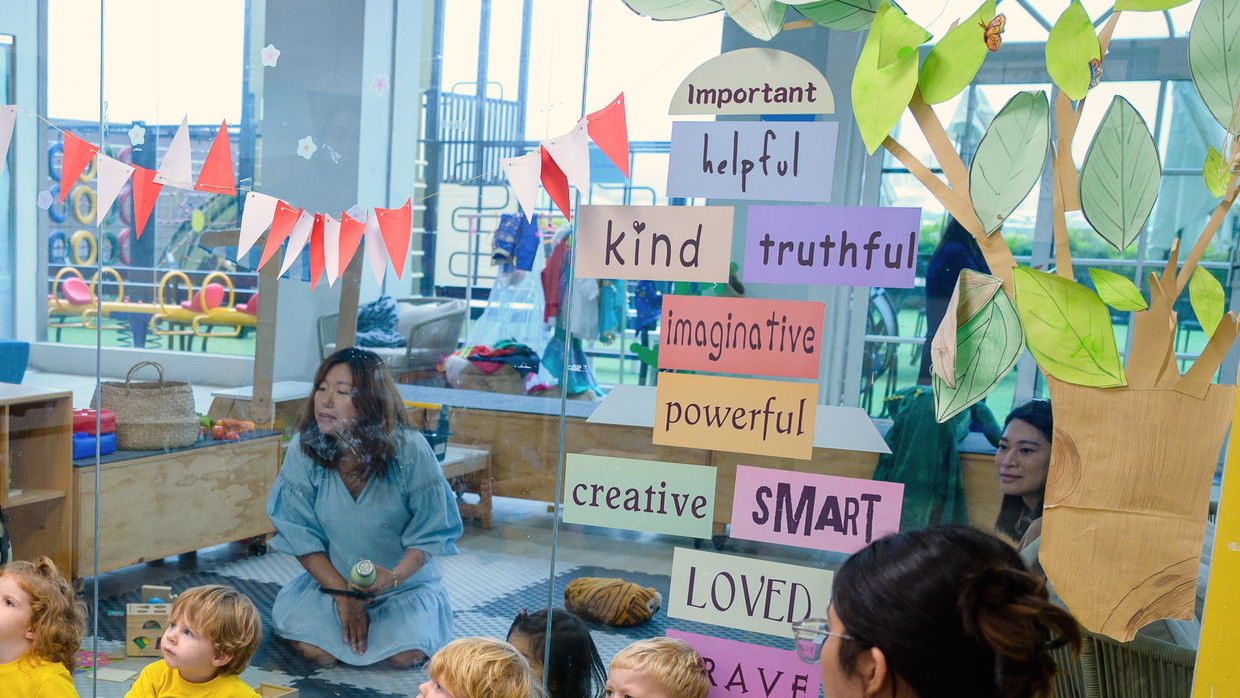
“Instead of asking what a child should know at a certain age, we ask: what does this child need next?”
Claire Michael · Head of Early Years · ECDA-certified Inclusion Officer
Every plan is built from written observations of what your child actually did, in their teacher's own words.
New teachers complete the Agora Training Plan before they run a room, so the approach holds even if a teacher changes.
A note home every day, a newsletter every fortnight, and a proper conversation every six weeks.
Preschool and full-day childcare on one floor at Fragrance Empire Building, beside ARC and a short walk from Labrador Park MRT.
Come and see a normal school day, meet the educators who would have your child, and experience the space before you decide. Watch a Read Write Inc session and a clay table run side by side. The visit is free and there is no obligation.
.png)
Labrador Park MRT (CC27) · beside ARC